Unknown Pilgrimage Spots in Uttar Pradesh: A Detailed Guide
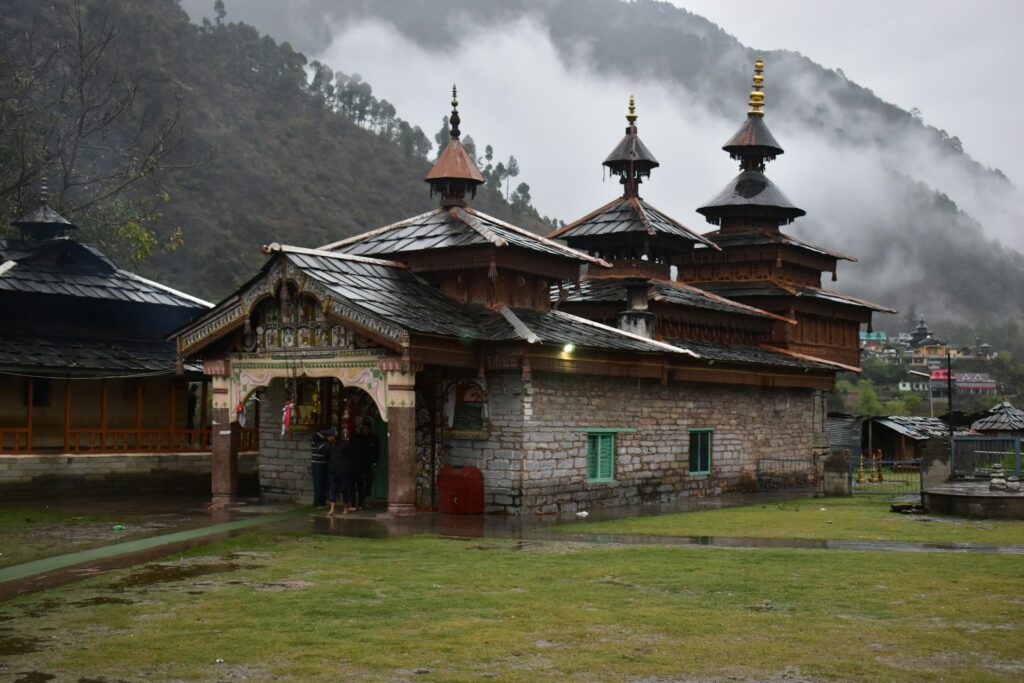
Uttar Pradesh is widely known for its grand spiritual centers like Varanasi, Ayodhya, Mathura, Vrindavan, and Prayagraj. But beyond these celebrated cities lies a vast spiritual landscape filled with hidden pilgrimage sites, many of which remain untouched, lesser-known, and peacefully preserved in their divine essence. These unknown or rarely talked-about places offer a chance to explore spirituality away from crowds, while discovering chapters of Indian mythology, regional legends, and timeless devotion.
We explore the most unknown, underrated, and spiritually significant pilgrimage spots in Uttar Pradesh, ideal for seekers of solitude, heritage lovers, and curious travelers.
1. Kaimoor Shiv Temple (Sonbhadra)
A Hidden Himalayan-like Shrine in Eastern UP
Why It’s Unknown
Despite being one of the oldest Shiva shrines, located deep inside the forested Kaimoor hills, this temple remains largely unexplored due to its remote location near the UP–Bihar border.
Mythological Significance
According to legends, the Kaimoor mountain range is associated with ancient sages who performed penance here. Local stories say that a natural Shiva Linga emerged at this site thousands of years ago.
What Makes It Special
- Located inside dense forests
- Water constantly drips on the Shiva Linga (natural Abhishek)
- Peaceful trekking route from nearby villages
- Strong spiritual vibrations, according to devotees
How to Reach
Nearest Town: Robertsganj
From Robertsganj, local jeeps or trekking routes lead to the temple.
Best Time to Visit
October to February for comfortable trekking.
2. Naimisharanya (Sitapur)
The Ancient Land Where Gods Held the First Mahayajna
Why It’s Lesser Known
Although mentioned in scriptures like the Mahabharata and Puranas, it is not as commercially promoted as other pilgrimages.
Mythological Significance
Naimisharanya is believed to be the place where:
- Sage Vyasa composed the Puranas
- 88,000 sages performed penance
- Sudarshan Chakra destroyed demons
It is also believed that one round of Parikrama here equals visiting all Char Dhams.
Key Attractions
- Chakra Tirth (center of cosmic energy)
- Vyasa Gaddi
- Lalita Devi Temple (Shakti Peeth)
- Hanuman Garhi
- Pandav Kila
Why Visit
The quiet spirituality of the area, ancient forests, and minimal crowds make Naimisharanya a unique pilgrimage experience.
3. Deoriya Tal Mahadev Cave (Chitrakoot Region)
A Natural Cave Temple Without Any Human Carvings
Overview
Deep inside rural Chitrakoot lies a naturally formed cave dedicated to Shiva. Many locals believe that saints like Rishi Atri meditated here.
What Makes It Special
- Natural rock formations
- A water spring inside the cave
- Total silence
- Accessible only by a 1.5 km forest walk
Perfect For
Spiritual trekkers, meditation seekers, and offbeat explorers.
4. Kot Tirth (Etawah)
Where Holy Water Emerges from Underground Channels
Historical Importance
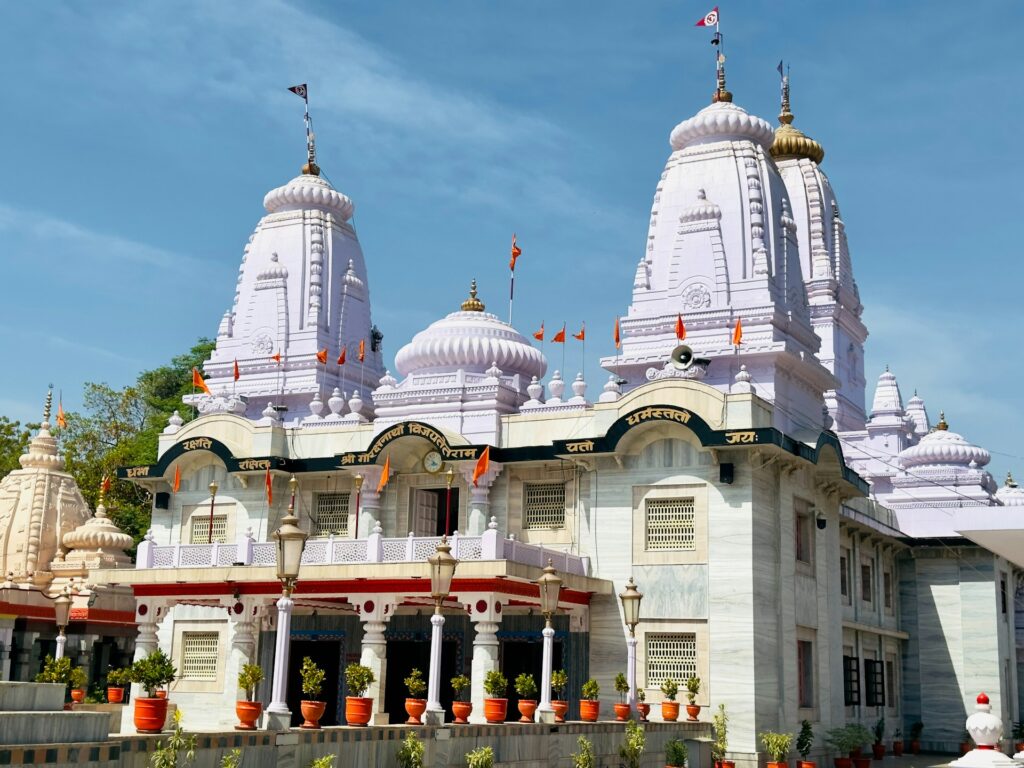
Kot Tirth is believed to be 5,000 years old and linked with Mahabharata-era stories. Pandavas are said to have taken a holy dip here during their exile.
Why It Remains Unknown
It lies in the rural belt of Etawah, far from major religious circuits.
Spiritual Highlights
- Sacred Kund with crystal-clear water
- Ancient Shiva and Vishnu temples
- Peaceful environment for rituals
Best For
Devotees who prefer historical stories, natural beauty, and water pilgrimages.
5. Shringverpur Dham (Prayagraj District)
The Kingdom of Nishadraj from the Ramayana
Mythological Importance
This is the sacred land where:
- Lord Rama met Nishadraj Guha
- Sita, Rama, and Lakshmana crossed the Ganga
- Nishadraj offered heartfelt hospitality to Rama
Unknown to Many
Despite massive Ramayana significance, this place is rarely on pilgrimage itineraries.
What to See
- Ganga Ghat
- Excavated remains of ancient settlements
- Small temples dedicated to Nishadraj
- Scenic countryside views
6. Sheetla Mata Dham (Hapur)
A Rural Shakti Peeth with Immense Local Faith
Why It’s Unknown
Hidden in the village of Khera, it attracts mostly locals and remains unexplored by mainstream tourists.
Highlights
- Believed to be over 1,000 years old
- Powerful rural Devi temple
- Special healing rituals
- Big fairs during Navratri
Why Visit
To experience authentic local spirituality.
7. Devrah Baba Ashram (Basti)
The Mystic Baba Who Lived for 700 Years (Belief)
Background
Devrah Baba was a highly revered saint believed to have great spiritual powers. His ashram lies on the banks of river Saryu in Basti, yet most outsiders have never heard of it.
Spiritual Highlights
- Peaceful riverfront
- Meditation halls
- Followers believe wishes are fulfilled
Perfect For
Meditation seekers and spiritual researchers.
8. Markandeya Mahadev Dham (Kaushambi)
Where Rishi Markandeya Meditated
Unknown Yet Ancient
This temple has references in the Mahabharata but remains low-profile due to its remote location.
Why It’s Special
- Ancient linga worshipped for centuries
- Markandeya Kund
- Old banyan trees lending a mystical aura
Best Time
Monsoon and winter.
9. Bateshwar Dham (Agra Region)
A Hidden Cluster of 101 Shiva Temples
Surprising But True
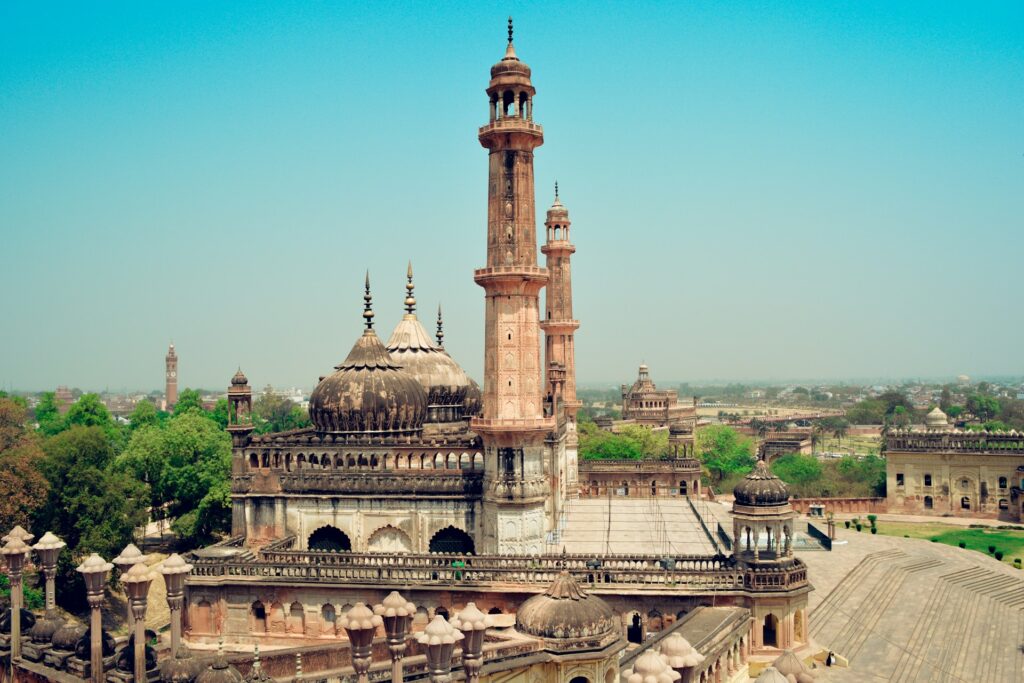
Barely 70 km from Agra lies Bateshwar, a riverside pilgrimage with 101 temples lined along the Yamuna. Despite its beauty, tourists rarely visit.
Spiritual Significance
This is believed to be the birthplace of Lord Krishna’s father, Vasudeva.
Why Visit
- Spectacular sunrise views
- River ghats
- A peaceful alternative to crowded destinations
10. Vindhyachal Forest Shrines (Mirzapur)
Beyond the Main Temple Lies a World of Hidden Caves
Overview
Most people know Vindhyavasini Shakti Peeth, but very few explore the dozens of ancient and unknown shrines scattered in the surrounding Vindhya hills.
Hidden Spots Include
- Kankali Devi Cave
- Sita Kund
- Gerua Talab
- Kali Khoh
Perfect For
Nature-loving pilgrims seeking raw spirituality.
11. Auraiya’s Devkali Temple
Local Legends of Wish Fulfillment
Local Significance
This temple is deeply respected in Auraiya but unknown outside. It is considered a Siddh Peeth.
Highlights
- Peaceful countryside surroundings
- Strong Devi worship traditions
- Rituals without crowds
12. Kubereshwar Mahadev (Kanpur Dehat)
A Shivling Believed to Be Installed by Kuber
Why It’s Special
This temple is considered ancient, and locals say worship here brings prosperity.
What to See
- Old-style stone architecture
- Rural scenic beauty
- Yearly Shivratri fair
13. Jugal Kishor Mandir (Mathura)
Mathura’s Forgotten Krishna Temple
Why Rarely Known
With thousands visiting Banke Bihari and Dwarkadhish, smaller yet historically meaningful temples like Jugal Kishor are overshadowed.
Significance
- Built by the early Vaishnava followers
- Peaceful aarti rituals
- Old-style murals
14. Devpura Dham (Lakhimpur Kheri)
A Hidden Shakti Shrine Near Dudhwa Forest
Why Visit
The temple lies near wildlife-rich areas and offers a unique blend of nature and devotion.
Highlights
- Small yet powerful Devi shrine
- Located near rivers and forests
- Popular among tribal communities
15. Gadia Kund (Banda)
A Spiritual Oasis in Bundelkhand
Background
Believed to be used by sages during drought periods, this kund is surrounded by stories of divine intervention.
Why It’s Unknown
Bundelkhand’s remoteness and lack of publicity keep it off the tourism map.
What to Expect
- Natural round kund
- Ancient rock carvings
- Village hospitality
Conclusion
Uttar Pradesh’s spiritual richness goes far beyond its famous temples and cities. Hidden in its forests, hills, rural interiors, and riverbanks lie mystical, unknown pilgrimage sites, each carrying remarkable stories, ancient legends, and deep divine energy.
Whether you’re a spiritual traveler, heritage explorer, or simply someone seeking peaceful places untouched by commercial tourism, these sacred gems offer a memorable and transformative journey through India’s timeless traditions.
FAQ on Unknown Pilgrimage Spots in Uttar Pradesh
1. Which are some lesser-known pilgrimage sites in Uttar Pradesh?
Some underrated spiritual destinations include:
- Devrah Baba Ashram (Deoria)
- Chunar Fort & Goddess Durga Temple (Mirzapur)
- Deo Kali Temple (Balrampur)
- Sankata Devi Temple (Varanasi outskirts)
- Mahadev Pahar (Sonbhadra)
- Kalinjar Fort Temples (Banda)
- Naimisharanya hidden shrines (Sitapur)
These places offer peaceful spiritual experiences away from crowds.
2. Why are these pilgrimage spots less known?
Many of these sites are located in remote villages, lack major tourism promotion, or are overshadowed by popular destinations like Varanasi, Ayodhya, and Mathura.
3. What makes these unknown pilgrimage places special?
Their charm lies in:
- untouched natural surroundings
- strong local legends
- ancient temples with unique architecture
- peaceful, crowd-free darshan
- deep spiritual ambience without commercialization
4. Are these places suitable for family visits?
Yes. Most lesser-known temples and shrines are safe and family-friendly, though basic facilities like food, transport, and hotels may be limited in remote areas.
5. How can I reach these hidden pilgrimage spots?
You can reach most of them by road, as they are connected to nearby towns. Public transport may be limited, so hiring a cab or taking a private vehicle is usually more convenient.
6. Are there accommodation facilities near these spots?
In major towns near these sites, you will find decent hotels and lodges. However, remote locations may only have basic guest houses or Dharamshalas.
7. Which unknown pilgrimage site is best for nature lovers?
- Mahadev Pahar (Sonbhadra) – located on a hill with scenic forest surroundings.
- Kalinjar Fort temples – blend of history, greenery, and spirituality.
- Naimisharanya’s hidden shrines – peaceful forests and river ghats.
8. Are these temples historically significant?
Yes, many of them date back centuries and are associated with epics like the Ramayana, Mahabharata, or ancient sages who performed penance there.
9. Is photography allowed at these pilgrimage locations?
Generally, yes, but some shrines and sacred caves may prohibit photography inside the sanctum. Always follow local temple rules.
10. What is the best time to visit unknown pilgrimage spots in Uttar Pradesh?
October to March is ideal due to pleasant weather. Monsoon may make certain hilly or forested routes difficult.
11. Are there any festivals celebrated at these hidden sites?
Yes, almost every shrine holds its own local festivities such as:
- Maha Shivratri (major for Shiva temples)
- Navratri fairs
- Hanuman Jayanti celebrations
These festivals offer vibrant local cultural experiences.
12. Do these places require entry fees or permits?
Most temples are free to visit. Fort temple complexes like Kalinjar may have nominal entry charges.
13. Are these hidden pilgrimage sites maintained properly?
Some are well-maintained by local trusts, while others have basic upkeep due to fewer visitors. It’s advisable to carry essentials like water and food.
14. Is it safe to travel to these remote pilgrimage destinations?
Yes, UP’s lesser-known pilgrimage spots are generally safe. However, remote forested or hilly areas should be visited during daylight and ideally with a companion.
15. What should I keep in mind while visiting these places?
- Respect local customs and dress modestly.
- Carry cash, as digital payments may not work everywhere.
- Keep drinking water and snacks handy.
- Check road conditions, especially during monsoon.
- Maintain silence and cleanliness at sacred sites.



0 Comments