Hidden villages of Uttarakhand — an offbeat guide
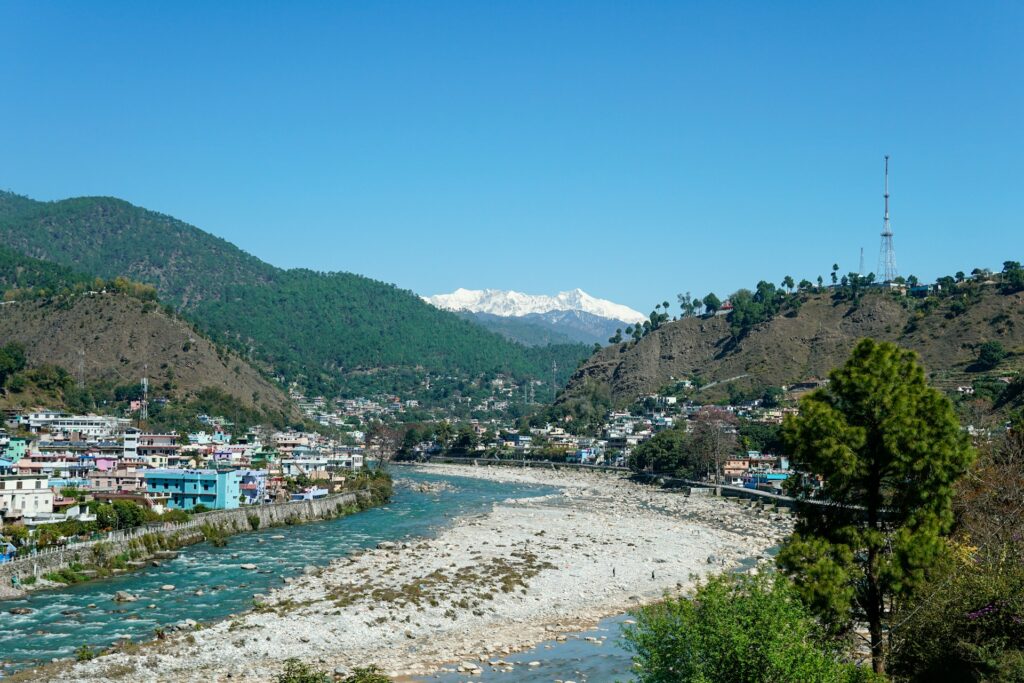
If you love mountains that still whisper instead of shout, villages where clocks are sunlight and people know your name after one cup of chai, Uttarakhand hides dozens of places made for slow travel. Below I’ve gathered six lesser-known (but thoroughly lovable) villages across Garhwal and Kumaon — why they’re special, how to get there, what to expect, sample day plans, and responsible-travel tips so these places stay hidden in the best way: quietly beautiful and cared for.
Quick note on what “hidden” means here
By “hidden” I mean places that are far less crowded than Mussoorie, Nainital or Rishikesh, often rural hamlets or tiny hill stations that receive few tourists but have strong local character, remarkable views and simple infrastructure. Some are seasonal (high-altitude hamlets empty in winter), others are accessible by short hikes or single narrow roads — so plan accordingly.
1) Khirsu (Pauri Garhwal) — apple orchards + Himalayan panoramas
Why go: Khirsu is a peaceful hill hamlet set among apple orchards and deodar-oak forests with an effortless 180° vista of the Greater Himalaya — sunrise and mountain-blanket sunsets are the main attractions. It’s small, quiet and perfect for a 2–3-day restorative stay.
What you’ll find: Terraced fields and orchards, walking trails through pine and oak, a handful of homestays and guesthouses, and the local Ghandiyal Devi temple nearby. Birdlife is good for casual watching, and the mountain views are persistent companions.
How to reach: The usual route is to reach Pauri (by road from Delhi/Rishikesh/Haridwar) and drive ~20–30 km up winding roads to Khirsu. Nearest major railheads are Kotdwara, Haridwar and Rishikesh; shared taxis and buses connect to Pauri. Roads are narrow but usually motorable in good weather.
Best time: March–June for clear skies and apple blossom / September–November for post-monsoon clarity; winter may bring fog and occasional snow at higher elevations.
Day plan
- Sunrise viewpoint → chai and local walnut/apples from a stall.
- Gentle walk through the orchards and terraces.
- Late afternoon photography of layered ridgelines as the sun softens.
Why it’s special: Khirsu’s charm is how completely ordinary and unshowy it is — no big attractions, only wide mountain breathing room and old orchards. If you want a readable, slow-small-town Himalayan experience, start here.
2) Gwaldam — where Kumaon meets Garhwal (base for treks, quiet lakes)
Why go: Gwaldam is a quiet crossroads in central Uttarakhand with a small lake, a laid-back town center, and excellent access to treks (Kuari Pass, Roopkund routes and the Nanda Devi circuits). It’s less touristed than the classic hill stations but an ideal base for culture + light trekking.
What you’ll find: Local markets with Kumaoni and Garhwali crafts and cuisine, a compact lakeside area that’s good for evening strolls, nearby temples (Badhangarhi, Baijnath is a drive away) and trails that lead into quieter mountain villages. Gwaldam’s location makes for serene sunsets and clear mountain mornings.
How to reach: Road access from Kathgodam/Almora or from Rishikesh/Haridwar via the national highways and smaller district roads — expect long, scenic drives. It’s a natural stop en route to higher trekking bases.
Best time: May–October for treks and clear views; monsoon can be dramatic but landslides sometimes affect local roads.
Day plan
- Morning lakeside walk → local breakfast (kumaoni-style)
- Short nature trail or village walk to nearby viewpoints
- Spend afternoon visiting a nearby temple or arranging a local homestay stay-over with a family to learn about village life
Why it’s special: Gwaldam is understated but strategic — a cultural mix, trekking gateways, fewer crowds than nearby famous bases, and enough facilities for independent travelers.
3) Malari (Niti Valley, Chamoli) — high-altitude frontier village
Why go: Malari is a high-altitude village in the Niti Valley, close to the Indo-Tibetan border. It’s remote, steeped in trans-Himalayan culture, and sits within the Nanda Devi biosphere — visiting gives a sense of Himalayan borderland life and dramatic glacial landscapes. Note: travel beyond Malari sometimes requires permission and is seasonal.
What you’ll find: Stone-built houses, migrant seasonal patterns (villagers often shift location seasonally), high meadows, close-up views of snowbound ranges, and a rhythm tuned to the short summer grazing season. Malari’s altitude (over 3000 m) gives thin-air scenery that’s cinematic but demands acclimatization.
How to reach: The approach is long — usually via Joshimath and on to local roads/footpaths that climb into the Dhauli Ganga valley. Because it lies in a sensitive border area, rules and permissions (or police/forest checkpoints) can apply — check with local authorities or tour operators before planning.
Best time: Mid-April to September/early October — most inhabitants migrate seasonally, and heavy winter snows make the village inaccessible.
Day plan
- Gentle acclimatizing walk around the village and meadows
- Visit any local trading post, meet yak/goat herders if present
- Photograph sweeping glacial ridgelines and the village’s seasonal architecture
Why it’s special: Malari is raw, quiet and serious about being remote — the kind of place that humbles you with scale and seasonal human ingenuity. It rewards visitors who respect local protocols and travel lightly.
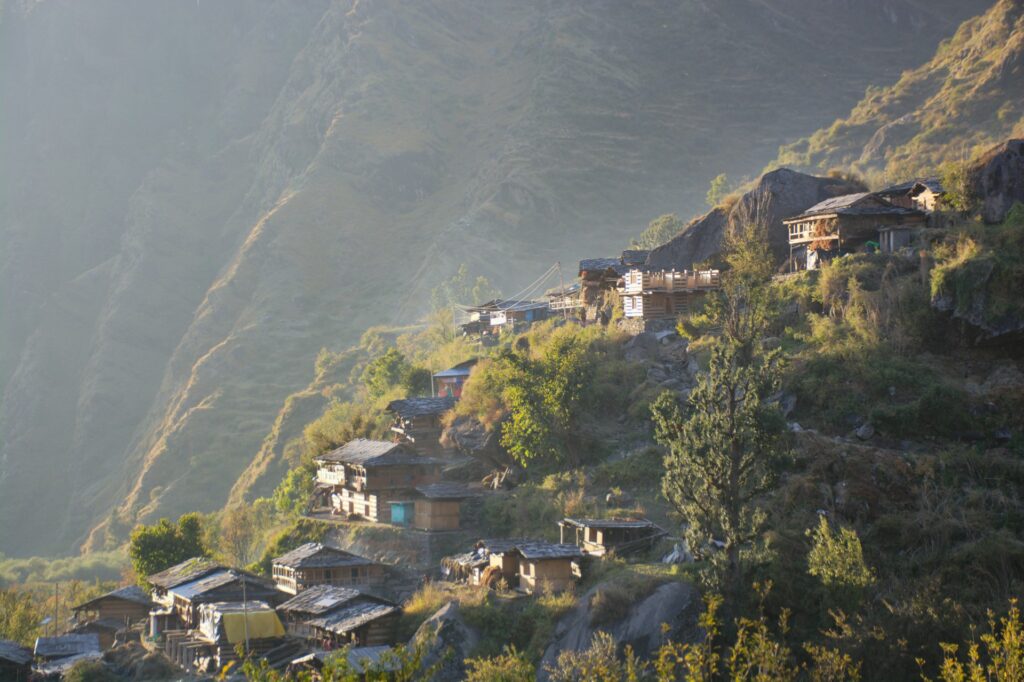
4) Chopta — alpine meadows and Tungnath’s old stones
Why go: Often called “the mini-Switzerland of India” for its meadows and mountain views, Chopta is a small hamlet that’s the gateway to Tungnath (one of the world’s highest Shiva temples) and to excellent wildflower meadows and ridgeline walks. It’s still much quieter than mainstream hill stations, especially if you avoid peak holiday weekends.
What you’ll find: Open meadows (trekking pastures), pine and rhododendron forests, small campsites and guest tents, and a short high-elevation trek to Tungnath and Chandrashila for sunrise panoramas. Chopta’s character is wild-meadow calm — great for short hikes and easy camping.
How to reach: Road access from Ukhimath and other valley towns; the final approach narrows and is typically done by small passenger vehicles or jeeps. From the Chopta parking area, many visitors trek 2–3 hours up to Tungnath and Chandrashila.
Best time: April–June for wildflowers and October–November for clearfall views; winters bring snow and closed roads but superb snowy landscapes if you’re equipped and local transport is running.
Day plan
- Early morning trek to Tungnath; continue to Chandrashila for sunrise (if fit)
- Relaxing picnic on alpine meadows; late afternoon return to Chopta hamlet
- Evening by a small bonfire at a campsite (where permitted)
Why it’s special: Chopta compresses the alpine experience into a short, accessible package — accessible meadows, high shrine, and broad Himalayan vistas without base-camp logistics. It pairs perfectly with a Khirsu or Gwaldam detour if you want mixed scenery.
5) Mana — the last Indian village before the Tibetan plateau
Why go: Often described as India’s “last village” before the Tibet border, Mana is small but culturally and mythologically resonant. It’s a neat place for people interested in pilgrimage-history, ancient caves and unique high-altitude landscapes a short distance from Badrinath.
What you’ll find: Clean, narrow streets, small shrines, local handicrafts, the Vyas Gufa (a cave of mythic importance), and nearby Vasudhara Falls — all with the bonus of clear mountain framing. It’s a place where mythology, borderland geography and local life overlap.
How to reach: Best combined with a trip to Badrinath — drive up to Joshimath/Badrinath and continue the short distance to Mana. The road is straightforward in the tourist season; winter closures are common due to snow.
Best time: May–October (Badrinath pilgrimage season). Outside that window, heavy snow closes passes and services.
Day plan
- Morning walk to Vyas Gufa and nearby viewpoints
- Visit small local shops; try simple mountain food and talk to local families
- Afternoon side-trip to Vasudhara Falls (a walk from Mana)
Why it’s special: Mana has the feel of a place paused at the edge of map and legend — a compact, accessible slice of high-Himalayan village life that’s easy to pair with spiritual tourism in Badrinath.
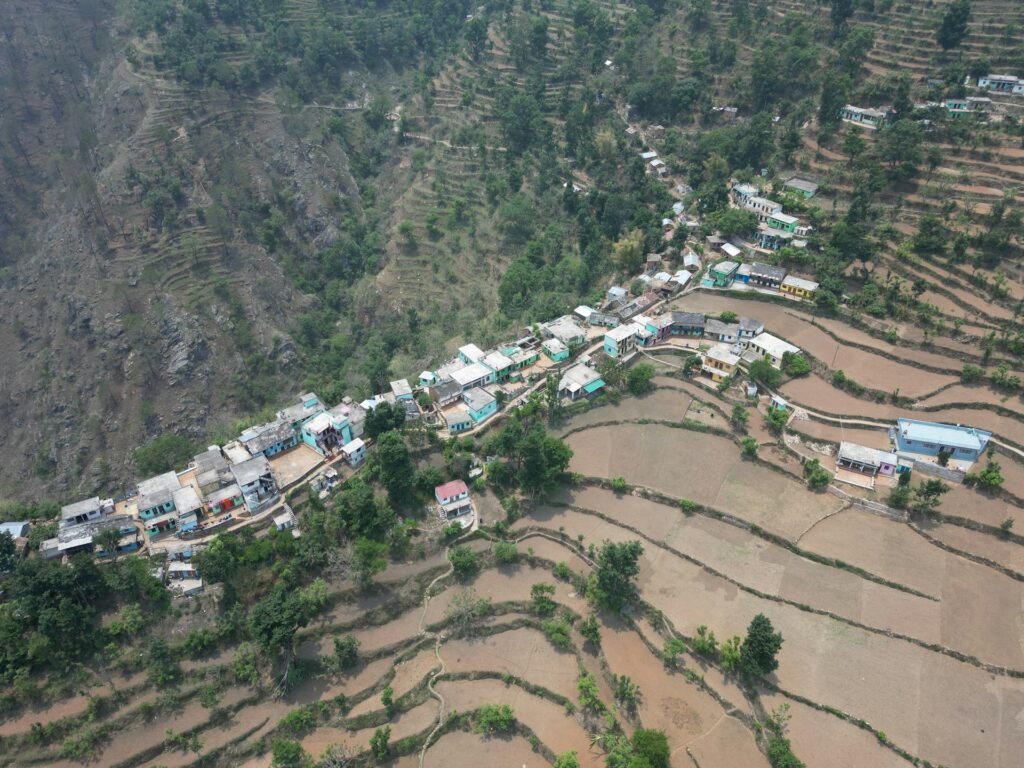
6) Munsiyari — Panchachuli views, quiet Himalayan base
Why go: Munsiyari is more of a small town than a tiny hamlet, but compared with big hill stations it’s gloriously quiet. It’s the perfect base to view the Panchachuli peaks, walk between local hamlets, and experience Kumaoni village life with good access to treks without crowds.
What you’ll find: A tidy bazaar, simple guesthouses, nearby high meadows and alpine pastures, and easy day walks to villages like Darkot where local wool and handicrafts are produced. Munsiyari becomes the platform for deeper treks but is itself a mellow place to spend a couple of days.
How to reach: Long scenic drive from Kathgodam/Almora/Joshimath depending on route; roads are rough in places, so factor in driving time.
Best time: April–October for treks and views; winter is harsh and many trails close.
Day plan
- Sunrise view of Panchachuli from a local viewpoint
- Short village walk and visit to a weaver or wool workshop
- Arrange a local homestay for evening storytelling and Kumaoni dinner
Why it’s special: Munsiyari gives you alpine scale without hardcore logistics. It’s one of the gentler high-Himalayan places where local culture, mountain views and manageable village walks combine.
Practical tips for visiting hidden villages in Uttarakhand
- Plan for weather and roads — mountain weather changes fast; single-lane roads, landslide patches and slow travel are normal. Summer monsoon can affect access. Always check local road conditions before travel. (General travel guidance; see local tourism pages for specifics.)
- Permissions at border/eco zones — villages near borders or within biosphere reserves (e.g., Malari/Niti Valley) may require permits or have seasonal restrictions. Confirm with district administration or local forest offices.
- Acclimatize — higher villages (Malari, parts of Munsiyari region, Chopta’s higher treks) demand slow acclimatization. Don’t rush from low plains to 3,000+ m without rest days.
- Respect local life — ask before photographing people, accept that homestays are family homes (not hotels), and buy local produce/handicrafts where possible.
- Carry cash and essentials — ATMs may be scarce. Basic medicines, sunscreen, warm layers, waterproofs and good walking shoes are musts.
- Stay low-impact — pack out garbage, don’t light fires outside designated areas, and avoid single-use plastics where possible. These villages rely on fragile ecosystems.
Sample 10-day slow circuit (mix of the villages above)
Day 1–2: Delhi → Rishikesh → Pauri → Khirsu (rest, orchards).
Day 3: Khirsu → Gwaldam (lakeside evening).
Day 4–5: Gwaldam → Chopta (meadows, Tungnath trek).
Day 6: Chopta → Ukhimath → Joshimath → Munsiyari (long drive but scenic).
Day 7: Munsiyari (local walks, Panchachuli viewpoints).
Day 8–9: Munsiyari → Malari (if permits and weather allow — high-altitude experience).
Day 10: Return via Joshimath → Badrinath → Mana (short visit) → onward travel.
Notes: This is a leisurely loop with a mix of short hikes and long drives; customize durations to fitness and seasonal road access. Malari requires extra planning because of altitude and access permissions.
Responsible-traveller checklist (short)
- Use local homestays and guides where possible to circulate income locally.
- Keep noise down after sunset; communities value quiet.
- Limit single-use plastic and dispose of waste responsibly.
- Follow marked trails and avoid disturbing grazing pastures or sacred groves.
- Ask authorities about photography/visit rules near border villages like Malari.
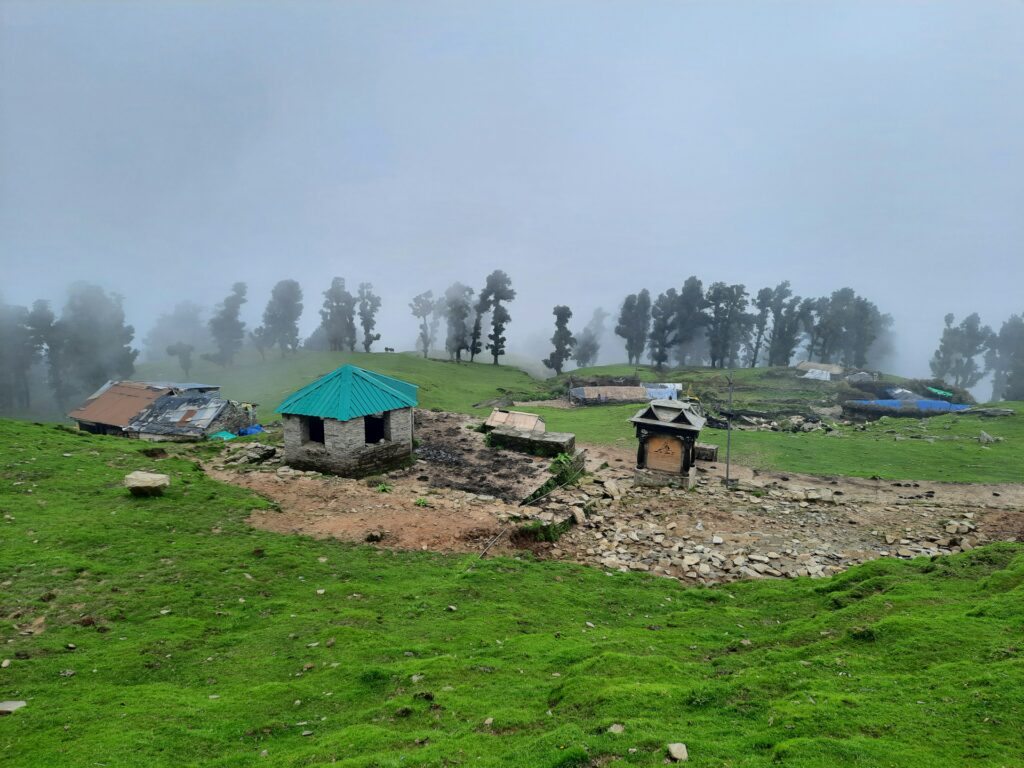
Final thoughts
Uttarakhand’s hidden villages reward travelers who slow down: they offer wide skies, unfussy hospitality, living traditions and mountain walks that feel like conversations with place. Whether you want the apple-scented calm of Khirsu, the meadowed horizons of Chopta or the border-edge authenticity of Malari, these hamlets are ideal for visits that are gentle on the land and rich for the traveler
FAQ on Hidden Villages of Uttarakhand
1. What are some hidden or lesser-known villages to visit in Uttarakhand?
Some of the best hidden villages include Khirsu, Kanatal, Mana, Munsiyari, Lohajung, Kausani, Kalap, Peora, Sarmoli, and Gwaldam. These villages offer untouched natural beauty, peaceful environments, and authentic culture.
2. Why are the hidden villages of Uttarakhand so special?
They are special because they offer:
- Pristine Himalayan views
- Quiet, crowd-free spaces
- Rich Garhwali and Kumaoni culture
- Traditional wooden houses and terraced farms
- Eco-friendly homestay experiences
3. Which hidden village is best for nature lovers?
Khirsu and Kausani are ideal for nature lovers due to their dense forests, orchards, and stunning views of snow peaks like Trishul and Nanda Devi.
4. Which village is known as the “Last Indian Village”?
Mana Village, located near Badrinath, is often called the Last Indian Village as it sits close to the Indo-Tibetan border.
5. Are the hidden villages suitable for family trips?
Yes. Villages like Kanatal, Khirsu, and Peora are family-friendly, offering safe stays, gentle hiking trails, and calm surroundings.
6. What is the best time to visit these remote villages?
The best time is March to June (pleasant weather) and September to November (clear mountain views).
Winter visits are possible, but some areas may receive heavy snowfall.
7. Are there good homestays available in these villages?
Yes. Uttarakhand promotes community-based tourism and most hidden villages have authentic homestays, often offering local food, village walks, and cultural experiences.
8. Which hidden village is best for trekking enthusiasts?
Lohajung is the base village for the Roopkund Trek and nearby trails.
Sarmoli near Munsiyari and Kalap Village in Uttarkashi are also great for trekking.
9. How can I reach these lesser-known villages?
Most hidden villages are connected by road. You can reach them via:
- Rishikesh, Dehradun, Almora, Nainital, or Pauri by bus or taxi
- From there, local jeeps or private cabs take you to the village
Some remote villages may require short hikes.
10. Do these villages have mobile network and internet?
Basic network (Jio, Airtel) is available in most villages, but some high-altitude or remote areas may have weak connectivity. Expect limited internet in offbeat regions.
11. Are these hidden villages safe for solo travelers?
Yes, Uttarakhand is known for safety and warm hospitality.
Villages like Sarmoli, Khirsu, Kalap, and Kausani are particularly safe for solo travelers and women travelers.
12. What activities can tourists do in these villages?
You can enjoy:
- Hiking and nature walks
- Birdwatching
- Village and farm tours
- Photography
- Local food experiences
- Stargazing
- Cultural interaction with locals
13. Are these villages expensive to visit?
No. They are budget-friendly destinations.
Homestays usually cost ₹800–₹2000 per night, and food is reasonably priced.
14. Which village is best for a peaceful stay away from crowds?
Peora, Khirsu, and Gwaldam are perfect for travelers seeking quiet, crowd-free vacations.
15. Are these villages suitable for honeymoon couples?
Yes, especially villages like Kanatal, Kausani, Khirsu, and Gwaldam offer scenic beauty, privacy, and cozy stays—ideal for a peaceful honeymoon.
16. Can I experience local culture and festivals in these villages?
Absolutely. Many villages celebrate traditional Uttarakhandi festivals, including:
- Harela (greenery festival)
- Bhitauli
- Bagwal at Devidhura
- Local fairs and folk dance events
17. What kind of food is served in these villages?
You can enjoy traditional Garhwali and Kumaoni dishes like:
- Aloo Ke Gutke
- Mandua ki Roti
- Bhatt ki Churkani
- Chainsoo
- Local organic vegetables and pulses
18. Which hidden village offers the best Himalayan views?
Kausani, Khirsu, and Munsiyari offer panoramic 300-km views of Himalayan ranges.
19. Are these villages eco-friendly?
Many villages follow eco-friendly tourism, promote organic farming, and discourage plastic use.
Villages like Sarmoli are famous for community-led conservation.
20. Is it easy to get medical help in these remote villages?
Primary health centres are available in major villages, but for serious medical help you may need to travel to nearby towns like Almora, Pauri, Rudraprayag, or Uttarkashi.



0 Comments